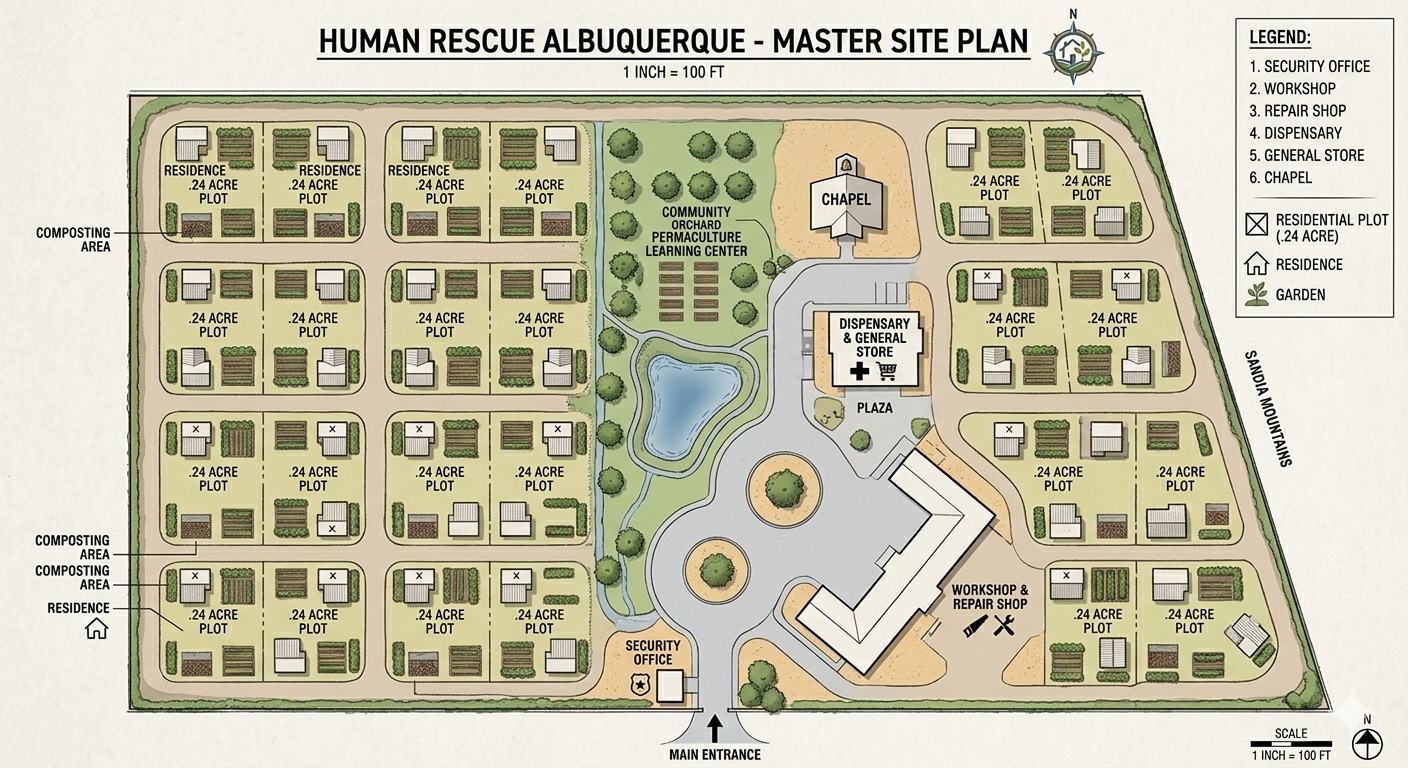
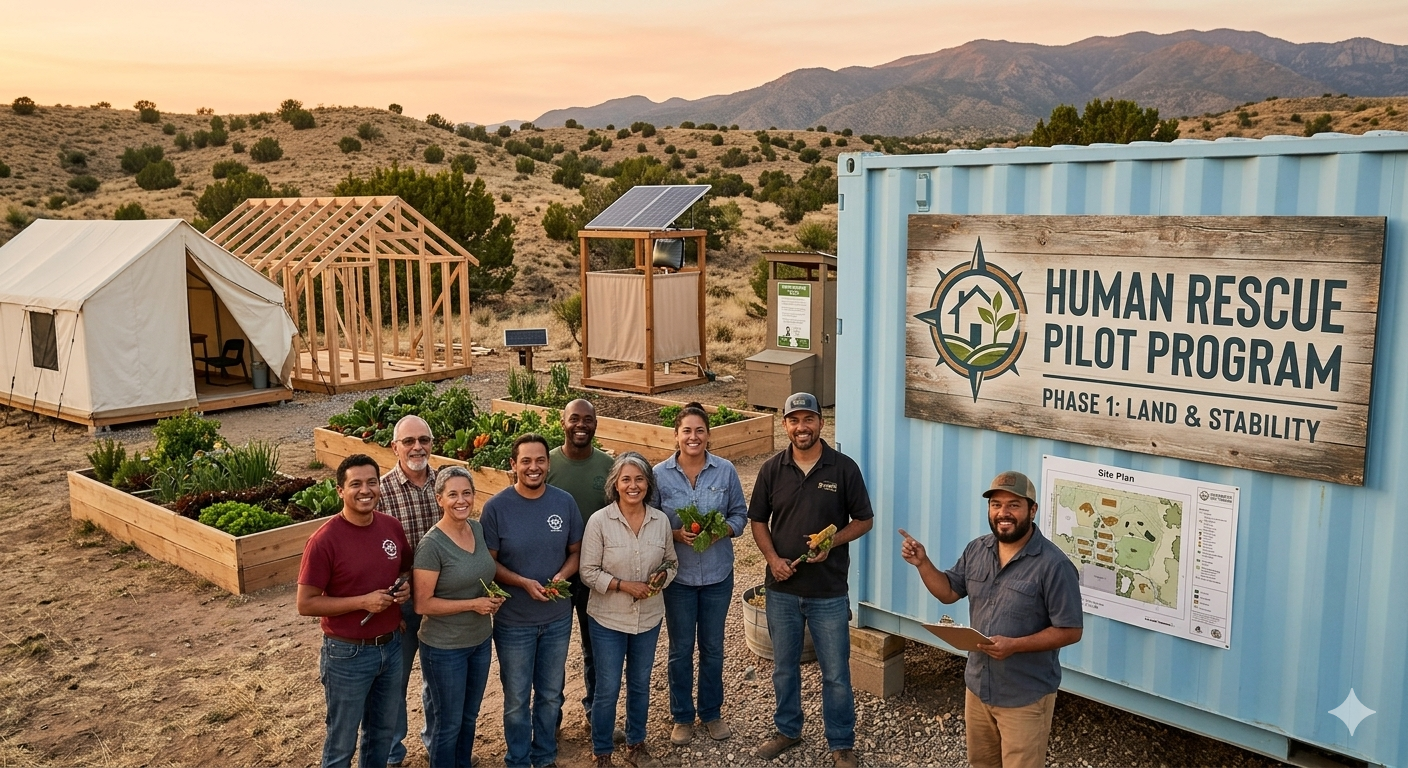
This cost-benefit analysis for human rescues compares the status quo of urban homelessness with land-based rural model. Implementing the Human Rescue model is not just a humanitarian effort; it is a fiscally responsible alternative to traditional “Crisis Management” systems.
1. The Cost of “Status Quo” (Urban Homelessness)
Current data shows that a single chronically homeless individual in an urban setting costs taxpayers an average of $35,578 per year. These costs are primarily driven by:
-
Emergency Services: Ambulance transports and ER visits.
-
Legal/Justice System: Frequent arrests for “loitering” and nights spent in local jails.
-
Crisis Shelters: High-overhead temporary shelters that do not offer long-term stability.
2. HumanRescue.org Cost Breakdown (The “Rescue Kit”)
Our model focuses on a one-time capital investment followed by low-maintenance operational costs.
| Item | Estimated One-Time Cost | Description |
| Shelter Unit | $8,500 | Insulated tiny cabin shell or heavy-duty platform tent. |
| Sanitation/Solar | $1,200 | Composting toilet and solar-heated shower system. |
| Site Prep/Tools | $2,000 | Grading, shared tool shed access, and garden beds. |
| 6-Month Food Stipend | $3,000 | Direct nutritional support during transition. |
| Total Initial Investment | $14,700 | Per participant, one-time. |
Note: After the first year, annual maintenance costs drop to approximately $2,500–$4,000 for land taxes, insurance, and administrative support.
3. Comparison & Financial Benefits
By investing $14,700 upfront, we significantly reduce the recurring $35,000+ annual burden on the public.
| Category | Status Quo (Annual) | HumanRescue (Year 1) | Savings (Year 1) |
| Public Services | $35,578 | ~$5,000 (Estimated 85% reduction) | +$30,578 |
| Housing/Stipend | $0 | $14,700 | -$14,700 |
| Net Impact | $35,578 | $19,700 | $15,878 Saved |
ROI Highlight: The program pays for itself in less than 18 months. By Year 2, the taxpayer savings exceed $30,000 per participant annually.
4. Intangible & Social Benefits (SROI)
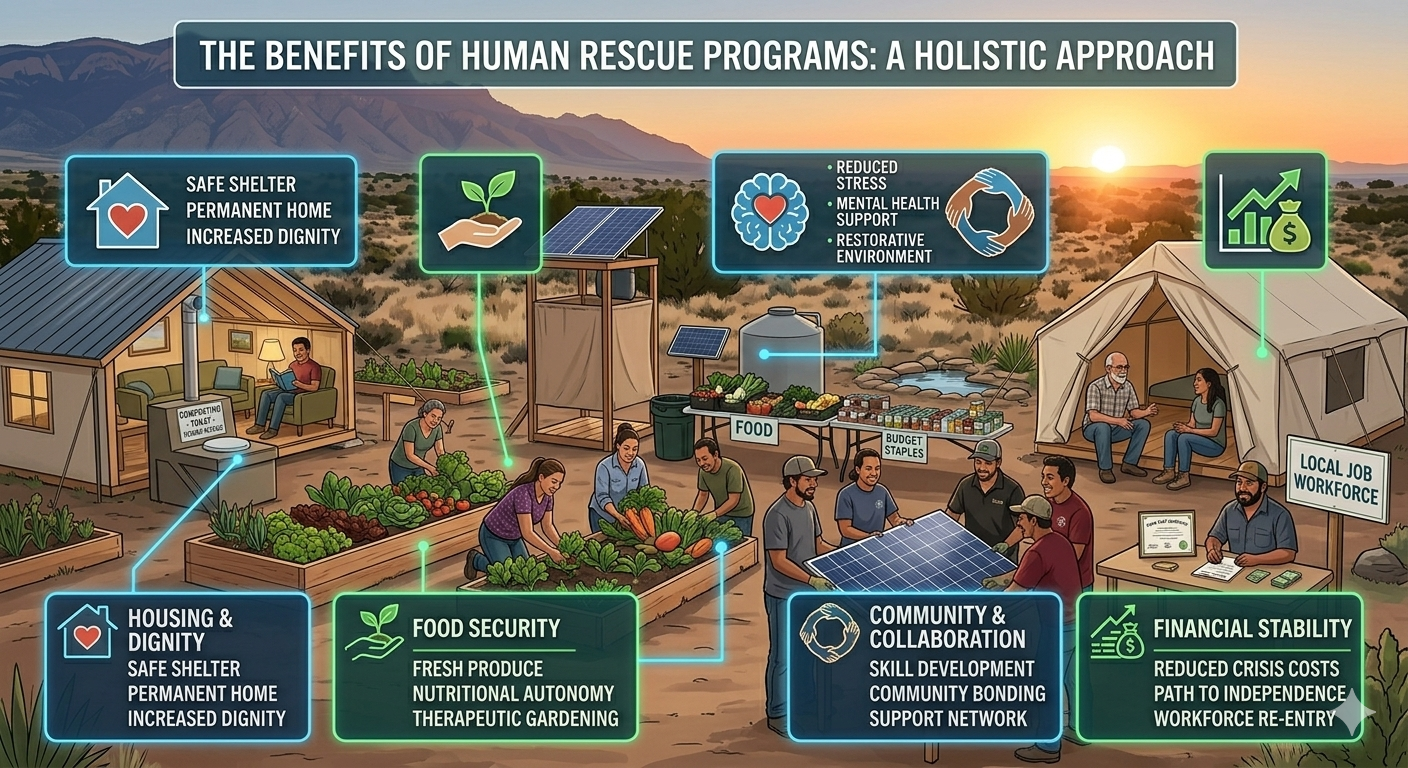
Beyond the ledger, our model generates a Social Return on Investment (SROI) of approximately $3 for every $1 spent:
-
Mental Health: Rural environments reduce “urban stress,” leading to a documented 57% decrease in behavioral health crisis costs.
-
Food Security: Small-scale gardening (Pillar 5) provides nutritional autonomy and therapeutic engagement.
-
Workforce Readiness: Stable housing is the primary prerequisite for employment. Our participants contribute back to local rural economies.
-
Environmental Stewardship: Solar and composting systems eliminate the need for costly grid extensions and reduce the environmental footprint of the housing.
Summary of Findings
The HumanRescue.org model is 60% cheaper than traditional urban intervention in its first year and 90% cheaper in subsequent years. It shifts the focus from “managing” a crisis to “resolving” it through land-based dignity.