These sources of hope for the homeless are provided as a resource to share with others as part of a collective effort to help the unhoused. Hope is not a luxury; it is a fundamental human need, as essential as food and shelter. In the face of homelessness, it can be fragile, but it is incredibly resilient. By providing connection, opportunity, stability, and a path to purpose, we can all play a part in fanning that flicker of hope into a bright light that guides individuals back to dignity, security, and a future they can believe in. In Albuquerque, let’s commit to being sources of that hope.
Finding the Light: Sources of Hope for the Homeless in Albuquerque
Homelessness can feel like an endless night, a state where the sun of security and belonging has set, leaving only the cold shadow of uncertainty. In Albuquerque, as in many cities, this is a stark reality for far too many people. But even in the deepest darkness, small flickers of hope can ignite a path forward. At Human Rescue Albuquerque, we believe in nurturing those flickers into a steady flame of renewal.
Hope isn’t just wishful thinking; it’s a profound, often resilient belief that change is possible, that one’s circumstances are not a permanent definition. For someone experiencing homelessness, rediscovering this sense of hope is the first, crucial step toward rebuilding their life. Here, we explore the vital sources of hope that can make a difference.
1. Connection: The Foundation of Believing You Matter
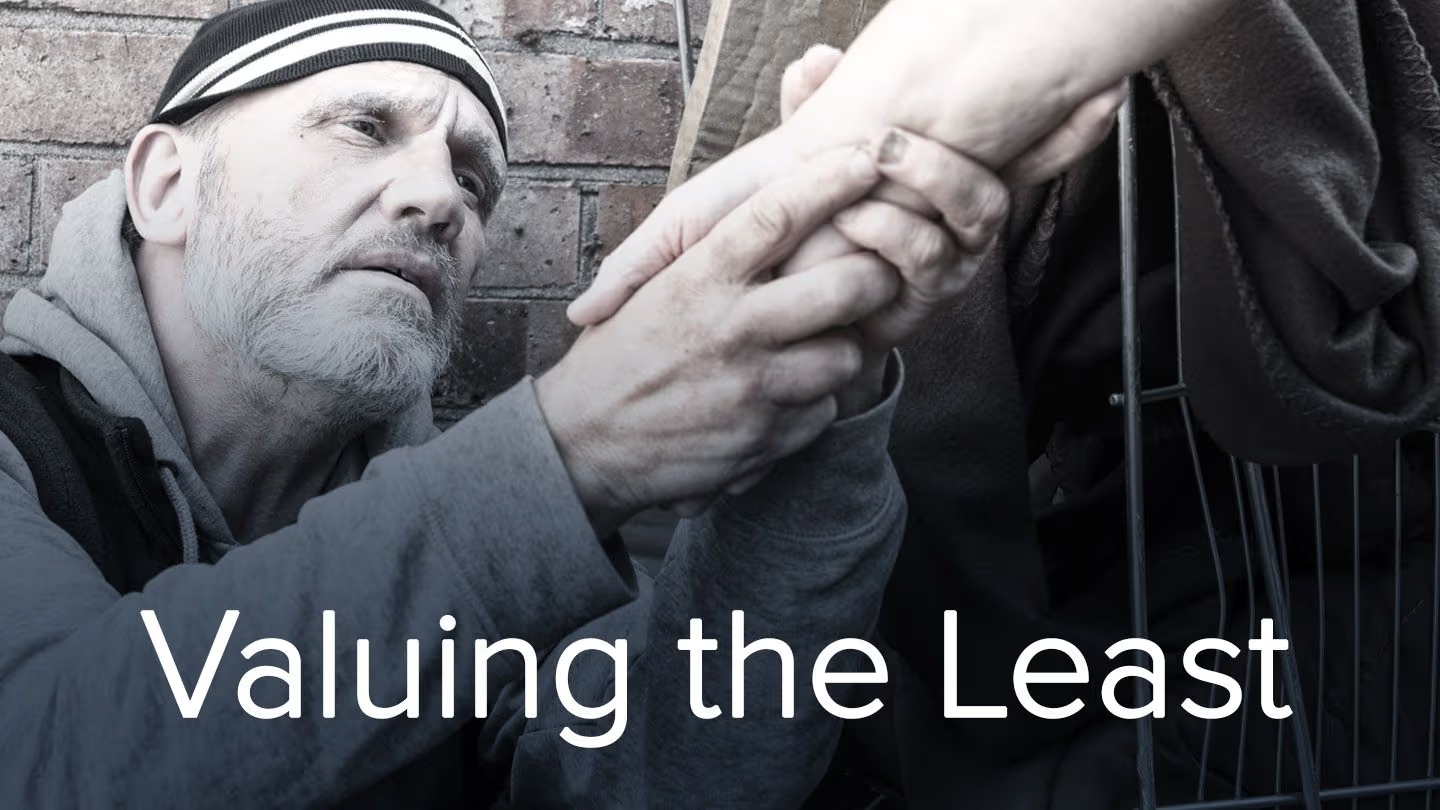
Perhaps the most potent source of hope is human connection. Living on the streets can be profoundly isolating, reinforcing feelings of invisibility and worthlessness. Hope takes root when someone—a volunteer, a case worker, or even a compassionate stranger—looks them in the eye, listens to their story, and recognizes their inherent dignity.
This is why outreach and community-building are at the heart of our mission. When a person feels seen and valued, they begin to believe in their own potential again. This connection can be foster hope in several ways:
-
Trust: Building a trusting relationship with someone who is there consistently provides a safe space to share struggles and dreams.
-
Belonging: Feeling like part of a community, whether it’s through a support group or just regular interactions at a center, combats the crushing weight of loneliness.
-
Encouragement: Simple words of belief from someone else can be the catalyst for a person to start believing in themselves.
2. Opportunity: Small Steps that Rebuild Self-Belief
When you’re focused on daily survival, the future feels abstract and unachievable. Hope is often rekindled through small, tangible opportunities that allow people to experience success and rebuild their self-confidence. This isn’t about massive, immediate change; it’s about achievable steps.
Our approach, focused on land and stewardship, provides precisely these kinds of opportunities. For example:
-
Nurturing a Garden: Tending a small vegetable plot offers a direct connection to life and growth. Seeing a seedling sprout and yield food provides a profound sense of accomplishment and a tangible result of one’s efforts.
-
Learning a New Skill: Mastering a practical skill, like assembling a simple shelter or repairing a tool, empowers individuals. It shifts the perspective from what they can’t do to what they can do.
-
Setting Achievable Goals: Breaking down a larger objective (like secure housing or employment) into smaller, manageable tasks creates a roadmap for progress. Each completed task is a small victory that fuels the motivation for the next step.
3. Stability: Glimpsing a Future Beyond Survival Mode
It’s nearly impossible to nurture hope when your entire focus is on finding food, water, and a safe place to sleep for the next few hours. A consistent source of hope is the promise, and eventual reality, of stability.
-
Securing a Safe Space: Having a reliable place to lay your head, free from the constant threat of displacement or danger, is transformative. It allows the mind to quiet and start thinking about more than just immediate survival.
-
Access to Basic Resources: Knowing where your next meal is coming from or having reliable access to clean sanitation creates a foundation of security from which hope can grow.
-
A Predictable Routine: Establishing a sense of routine and order in a life that has been chaotic provides a powerful antidote to anxiety and despair.
4. Meaning and Purpose: Rediscovering Who You Are
When all external indicators of identity (job, home, social status) are stripped away, it can be easy to lose your sense of self. Hope is restored when individuals find meaning and purpose again, often by contributing to something larger than themselves.
-
Sharing Skills: Everyone has unique talents and experiences. Creating opportunities for people to share their skills—whether it’s cooking, building, or mentoring others—validates their worth and gives them a sense of purpose.
-
Contributing to the Community: Being an active participant in maintaining their shared living space, helping in a community garden, or supporting a peer creates a powerful sense of belonging and value.
-
Connecting with Nature: The act of stewarding land and working with the earth is inherently therapeutic. It provides a sense of connection to a natural cycle that is larger and more enduring than any individual’s temporary struggle.